

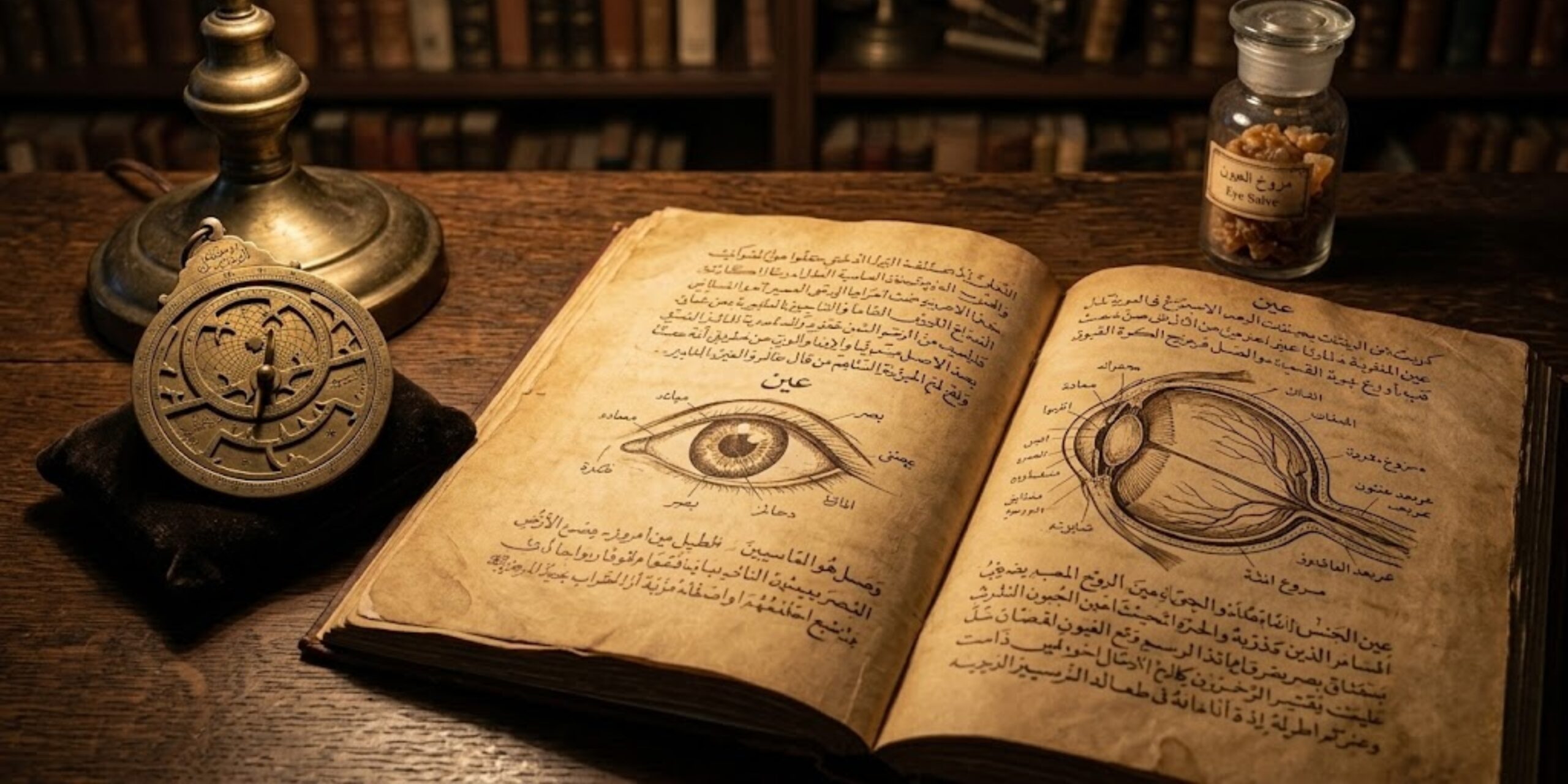
Between the 8th and 14th centuries, while much of Europe was in the “Dark Ages,” the Islamic world was experiencing a “Golden Age” of scientific discovery. Centers of learning like the House of Wisdom in Baghdad became the world’s most important hubs for intellectual growth.
Figures like Ibn Sina (Avicenna) wrote The Canon of Medicine, which remained the standard medical textbook in Europe and the Middle East for centuries. Meanwhile, Al-Razi made groundbreaking discoveries in smallpox and measles. These scholars didn’t just preserve ancient Greek knowledge; they expanded it through rigorous experimentation and observation.
At Danistnama, we believe it is crucial to highlight these forgotten pioneers. Their work laid the foundation for the hospitals, pharmacies, and surgical techniques we use today.