
Introduction to Urdu’s Linguistic Journey
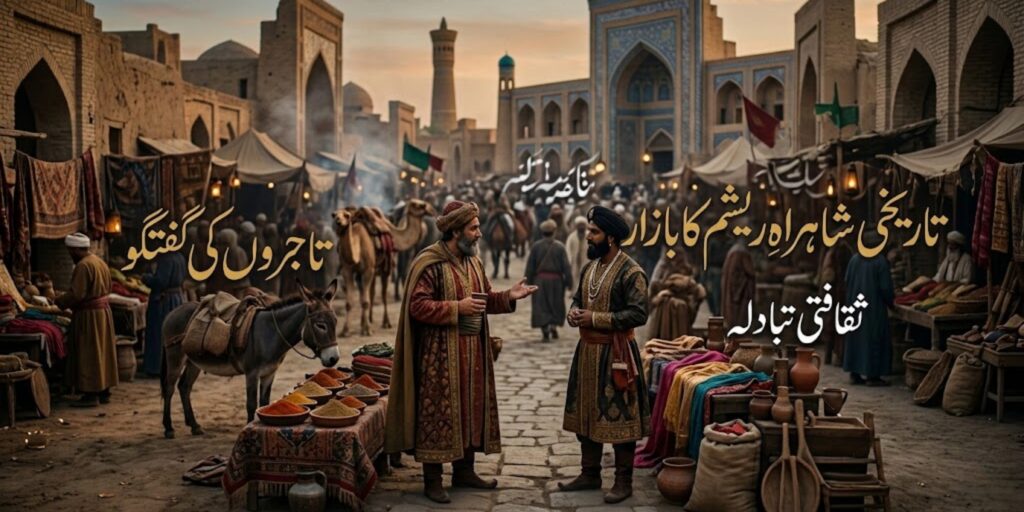
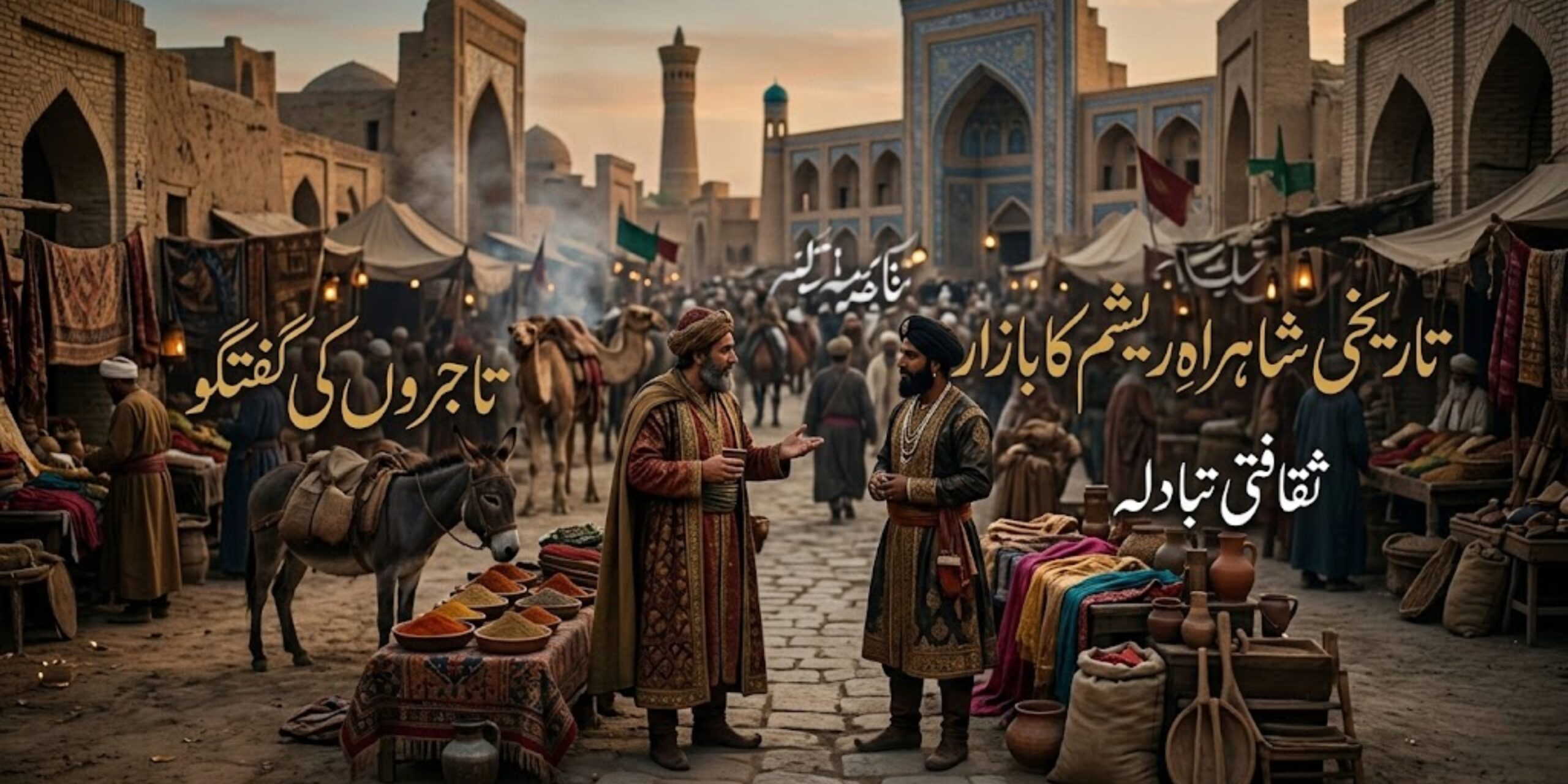
Urdu is more than just a language; it is a cultural bridge that connects different civilizations. Known as “Lashkari” (the language of the army), Urdu’s history is a testament to the melting pot of the Indian subcontinent. It is a member of the Indo-Aryan family, but its soul is enriched by Persian, Arabic, and Turkish influences.
The Roots: From Prakrit to Apabhramsha
The story begins with Old Indo-Aryan (Sanskrit), which evolved into Prakrit. By the 10th century, these local dialects became Apabhramsha. When Muslim traders and armies arrived in North India, their Persian and Arabic vocabulary began to mix with the local “Khari Boli” spoken around Delhi and Punjab.
The Mughal Era: The Flowering of Urdu
During the Mughal reign, Persian was the official language, but the common people and soldiers needed a medium of communication. This gave birth to Rekhta (the mixed language). Great poets like Vali Dakkani and later Ghalib and Mir transformed this “market language” into a sophisticated literary medium.
Why is it Called “Urdu”?
The word “Urdu” itself is Turkish for “Camp” or “Army.” It represents the unity of different people coming together. By the 19th century, Urdu became the primary language of administration and protest during the British Raj, eventually becoming the national language of Pakistan.
Conclusion
Today, Urdu stands as one of the most poetic and expressive languages in the world. Its evolution shows that language is never static; it grows by embracing others.