
Punctuation: More Than Just Symbols
Imagine driving a car in a city with no traffic lights, no stop signs, and no lane markings. That is exactly what a page of text looks like without punctuation. Punctuation marks are the “traffic signals” of language; they tell the reader when to pause, when to stop, and when to be excited.
Common Marks and Their Functions
- The Period/Full Stop (Khatma): Indicates a complete thought. It gives the reader a moment to breathe before moving to the next idea.
- The Comma (Saktah): Used for short pauses or separating items in a list. It prevents the “run-on” sentence that confuses readers.
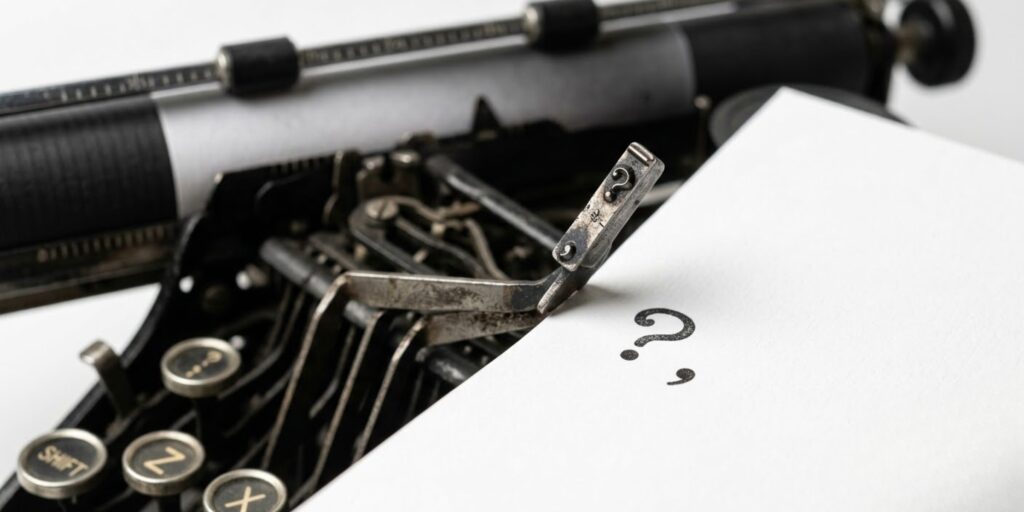
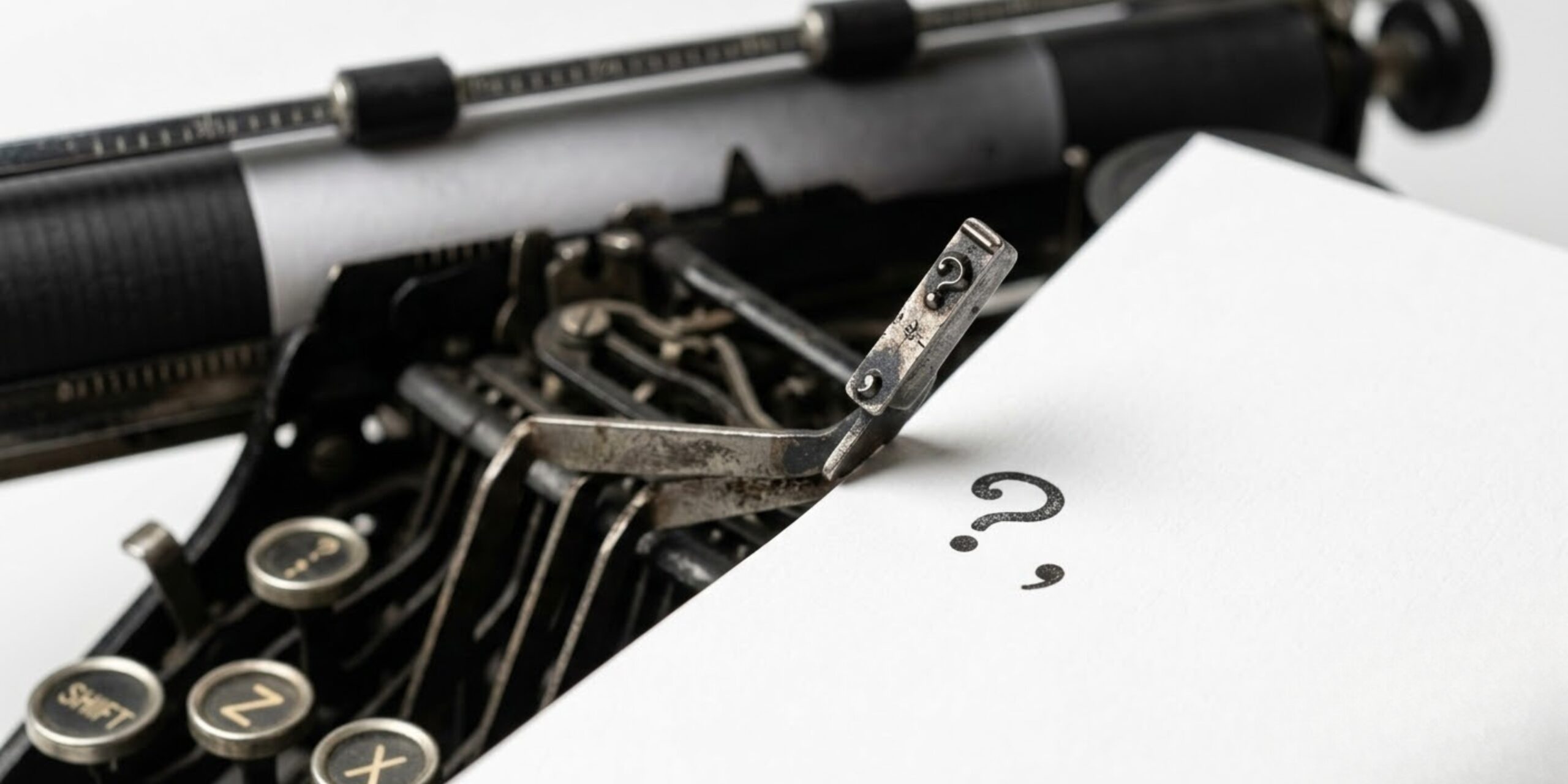
- The Question Mark: Signals an inquiry. It changes the tone of the entire sentence from a statement to a query.
- The Exclamation Mark: Adds emotional weight, showing surprise, anger, or joy.
How Punctuation Changes Meaning
A famous example shows the power of a comma:
- “Let’s eat, Grandpa!” (An invitation to dinner).
- “Let’s eat Grandpa!” (A very different, scary meaning). This illustrates that a single mark can be the difference between clarity and chaos.
Conclusion
Professional writing is defined by the correct use of punctuation. It shows that the writer respects the reader’s time and wants their message to be understood perfectly.